



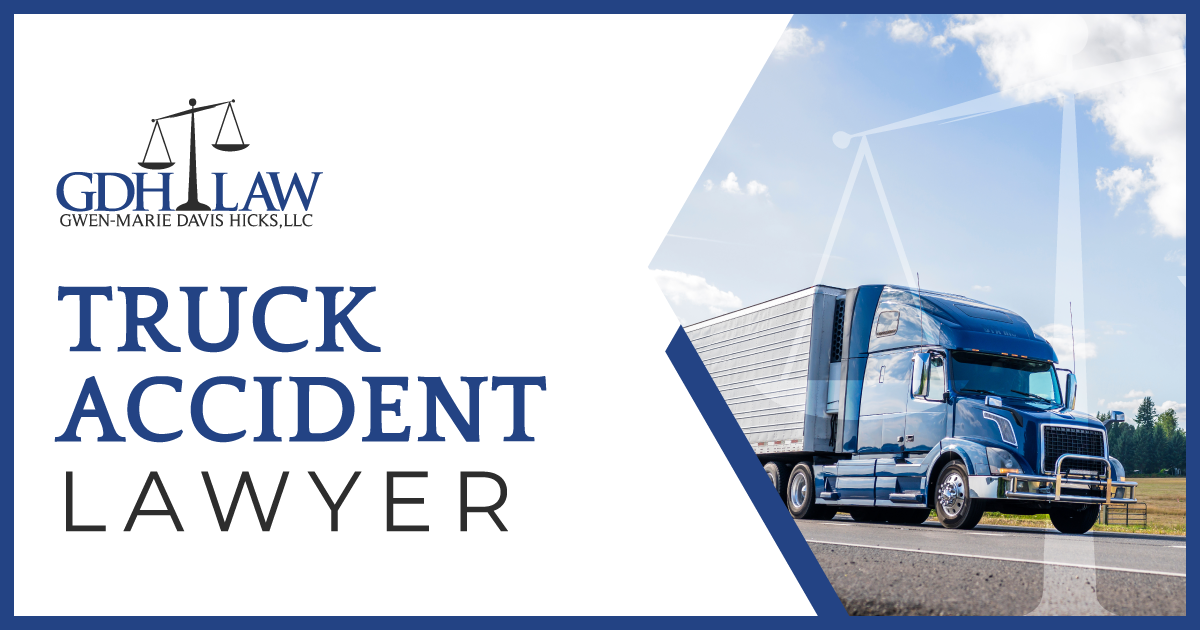
With its location in Prince George’s County, bordering Montgomery County and Washington, D.C., Chillum sees a solid flow of large trucks passing through its neighborhoods into other parts of the region and north, south, or west into other states. This influx of truckers means that motorists have to be on high alert when sharing the road with these big rigs so as not to become involved in a crash.
Each Chillum truck accident lawyer in our office has witnessed just how important this is first-hand, as we often represent clients who were severely injured because tractor-trailer operators failed to follow state and federal regulations to which they were obligated.
If you suspect that a trucker who struck you or a close family member didn’t adhere to government-imposed requirements, and this played a role in causing the crash and injuries you suffered, contact our office immediately to speak with an attorney regarding what happened to you.
That initial consultation is completely free, with no strings attached, giving you the opportunity to learn about the rights Maryland law affords you when you’ve been hurt due to someone else’s negligence.
What Is the Difference Between Intrastate and Interstate Trucking?
Some operators, like short-haul truckers, keep it local, never venturing more than two or three hours away from home or their hub. They rarely cross state lines and almost always return to their own bed each night.
These truckers may operate tanker trucks, box trucks, and other smaller vehicles in addition to tractor-trailers. This description most aptly describes an intrastate trucker.
By contrast, there are other truckers who might haul loads regionally, say from Maryland to a couple of states over, or even from one side of the country to the other. These individuals most often operate tractor-trailers as opposed to other types of trucks, and the truckers that operate these 18-wheelers generally venture out on their journeys for several days or perhaps even for weeks at a time.
Are Short and Long-Haul Truckers Subject to Different Regulations?
If you’re wondering why we spent time distinguishing between interstate and intrastate truckers above, it’s because they’re subject to different regulations, which may impact determinations surrounding the cause and liability for your crash.
Examples of regulations that apply differently to interstate versus intrastate include:
- Securing Department of Transportation (DOT) numbers: Long-haul truckers who will be crossing state or country borders must secure USDOT numbers, which you’ll often see clearly displayed on the driver’s door of their vehicle. In contrast, Maryland requires any buses, tractor-trailers, and trucks weighing over 10,000 pounds that do not travel beyond our state’s borders to secure MD DOT numbers and display them on their vehicles.
- Cargo hauling weight limits: The Federal Highway Administration (FHWA) doesn’t allow states to set significantly different weight limits for truckers traveling along interstates from what the federal regulators would set them at. However, some trucks are exempt from federal weight limitations.
- Traveling along certain roadways: The FHWA resource mentioned above mentioned how a truck’s weight and the number of axles it has can determine whether certain trucks can travel on certain road types. Also, the Maryland Department of Transportation publishes a Maryland Truckers’ Map, which highlights different local roads prohibiting trucks, and Maryland Route Restrictions, which highlights which of our state’s roadways limit certain-sized vehicles or ones carrying certain types of loads.
- Trucker rest break requirements: Federal Motor Carrier Safety Regulations restrict truckers to driving only 11 hours per day and spending no more than 14 hours on duty. The federal government also limits truckers to working between 60 and 70 hours, depending on whether they work seven or eight days, and also requires truckers to take at least 10-34 hours off before returning to duty. Intrastate truckers, in contrast, may be subject to other shift and break requirements.
- Trucker age requirements: Intrastate truck operators must be at least 18, whereas interstate ones must be at least 21 if they wish to secure a learner’s permit for a commercial driver’s license.
Minimum Insurance Requirements May Impact Truck Crash Settlements
Another key difference between state and federal regulations regarding the trucking industry is the mandatory minimum insurance requirements.
Those operators subject to federal guidelines, like interstate truckers, have an obligation to carry between $750,000 and $1,000,000 in liability insurance.
The amount of insurance coverage intrastate carriers must maintain largely depends on the type of load they’re carrying. For example, the liability insurance minimum limit is:
- $300,000 for trucks carrying household goods
- $750,000 for big rigs hauling general freight
- $1,000,000 for tractor-trailers carrying oil
- $5,000,000 for commercial carriers hauling hazardous materials
These limits matter if you’ve been hurt in a crash with a big rig, as they dictate how much you can recover when serious injuries affect you or you lose a loved one. The higher the limits are, the more you can potentially recover for current and future medical costs, lost wages, and other accident-related expenses.
Why Truck Accident Cases Are Complicated
If you have been in an accident with a big rig, don’t count on it to be like a typical fender bender. Crashes involving commercial trucks are complicated.
In many cases, multiple parties are involved. It is not just the truck driver, but their employer, the company that loaded the cargo, the mechanic who serviced the rig, or even the truck manufacturer, who could all share responsibility. And each of them usually has an insurance company and a legal team working hard to protect themselves.
On top of that, truck drivers have to follow strict state and federal rules that do not apply to the rest of us. When they skip steps like taking required breaks, inspecting their truck, or staying within weight limits, the results can be devastating for other drivers on the road.
You want to have an experienced Chillum truck accident lawyer on your side. We can make sure every responsible party is held accountable.
Frequently Asked Questions About Truck Accidents in Chillum
If you have been involved in a truck crash, you probably have questions. Here are a few answers for you:
How soon should I call a lawyer after a truck accident?
As soon as possible. Trucking companies send their own teams out right away to collect evidence and protect their interests. The sooner you reach out to us, the faster we can step in to protect your rights and secure important evidence, like driver logs or black box data, before it disappears.
What’s a truck’s “black box?”
The black box is the truck’s memory. This device records details about the truck’s speed, braking, and driver actions right before and during the crash. That information can be vital in proving what really happened and showing if the trucker or their company cut corners.
What if I’m worried I might be partly at fault for the accident?
Maryland law is tough. If you are found a little at fault, you may not be able to recover compensation. However, do not assume the worst. You will want to talk to a lawyer about your situation first.
What should I do if the trucking company’s insurance adjuster keeps calling me?
You do not want to say anything or agree to a recorded statement until speaking to an attorney. These adjusters are trained to protect the trucking company’s bottom line, not to help you.
Are truck accident cases harder to win than regular car crashes?
They can be more complex, but they are also worth fighting for. Trucking companies are required to carry large insurance policies because of the seriousness of these crashes.
Build a Strong Case with a Chillum Truck Accident Lawyer
Many investigations into semi-truck crashes focus on what type of reckless driving a trucker engaged in, a manufacturer producing an unsafe vehicle or defective parts, a loader unsafely packing cargo in a trailer, or other negligence along these lines.
At GDH Law, we also look beneath the surface at other contributing factors that led to the crash’s occurrence.
You can count on any Chillum truck accident lawyer at our firm to look beyond the obvious and identify alternate factors contributing to wrecks, things like failures to adhere to the appropriate trucking regulations listed above.
Doing this helps you hold all potential parties liable for their wrongdoing.
Our work together begins with a conversation about what happened leading up to your crash. We can discuss those details during your free initial consultation with an attorney in our office.
Schedule that meeting by calling or emailing our law office today.
