


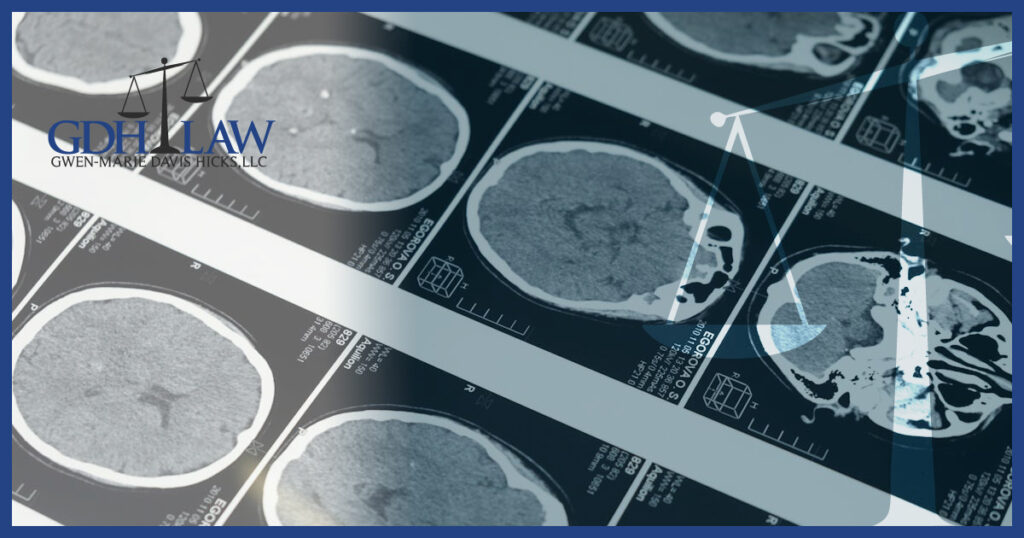
A traumatic brain injury is one of those life-altering events that doesn’t just hit you in the moment.
It lingers, reshapes your daily routine, and changes the way you navigate the world. Whether it’s caused by a car crash on I-95, a fall at a store in Prince George’s County, or a workplace accident, a TBI has a way of invading every corner of a person’s life.
And for many brain injury victims, the most overwhelming part is everything that comes afterward.
Physical Changes
According to the Brain Injury Association of America, one in 60 Americans lives with a TBI-related disability. These injuries can affect people in numerous ways. One of the biggest myths about TBIs is that you can return to normal life in no time.
Yes, some people do heal quickly. But for many, the physical symptoms stick around long after the initial impact. Daily headaches become a new normal. Bright lights and loud noises feel like sensory landmines.
Fatigue comes out of nowhere. And those little routines like driving or juggling errands can feel a whole lot harder. Even mild TBIs, like concussions, can cause dizziness, nausea, sleep problems, and visual disturbances. To make matters worse, symptoms can flare and fade unpredictably.
Cognitive Struggles
A TBI affects how your brain processes the world. Those little things that used to be second nature become slow, frustrating, and mentally draining.
Many TBI survivors experience:
- Memory lapses
- Difficulty concentrating
- Slow thinking or brain fog
- Word-finding struggles
- Trouble managing tasks or decisions
This is the brain trying to rebuild pathways that were disrupted by the injury. Since these challenges are invisible from the outside, people around you may misunderstand or underestimate the struggles you are facing. That misunderstanding alone can take an emotional toll.
Emotional and Personality Shifts
A TBI can shake up someone’s emotional world just as much as their physical abilities. Mood swings, irritability, anxiety, and depression are all common. This happens because of chemical changes in the brain and partly because life just got a lot harder.
People often describe feeling as a slightly different version of themselves. They might snap at loved ones more easily or be unable to tolerate stress the way they used to. These are real symptoms, not personal failings. And they can strain relationships at the exact moment when support is most important.
Work Becomes a Challenge
Trying to return to work after a TBI can make the demands of the job often feel overwhelming. Noise in the office becomes unbearable. Bright overhead lights trigger headaches. Multitasking, like emails, meetings, conversations, and deadlines, drains mental energy fast.
A task that used to take an hour now takes three.
Some people need accommodations. Others require time off. And in some cases, a person’s previous career is not compatible with their new physical or cognitive limitations.
Losing that sense of stability and identity can be devastating.
Daily Life and Relationships Shift
A TBI ripples out everywhere. Social plans get canceled because symptoms flare up. Partners and family members may feel that the person they love has changed, even though the personality shifts are unintentional.
Many survivors pull back from friends because they feel overwhelmed, embarrassed, or exhausted. This is because their brain needs quiet.
Recovery Is Not Linear
For anyone struggling with a TBI, they know that recovery takes time. It rarely moves in a straight line.
One day, you feel like you’ve turned a corner; the next day, you are back to square one. But progress does happen. With the right neurologists, physical therapists, occupational therapists, speech therapists, and mental health professionals, people can regain function and build stronger coping strategies.
It just requires patience, consistency, and a whole lot of support.
Why TBI Victims Need Strong Legal Help
Unfortunately, insurance companies often try to minimize TBIs, especially when they do not show up on a scan. They may call it a mild injury or suggest that the symptoms should resolve quickly.
But anyone who’s lived through a TBI knows mild does not mean minor.
When your injury was caused by someone else’s negligence, like a reckless driver, a property owner who ignored a hazard, or a business that failed to keep you safe, you shouldn’t be left carrying the physical, emotional, and financial weight by yourself.
At GDH Law, clients are not treated like case files. We treat every client as someone whose life has been turned upside down and deserves full support.
One conversation can help you understand your rights, your options, and the path forward. GDH Law is here to protect your future. Let us help you reclaim it.