

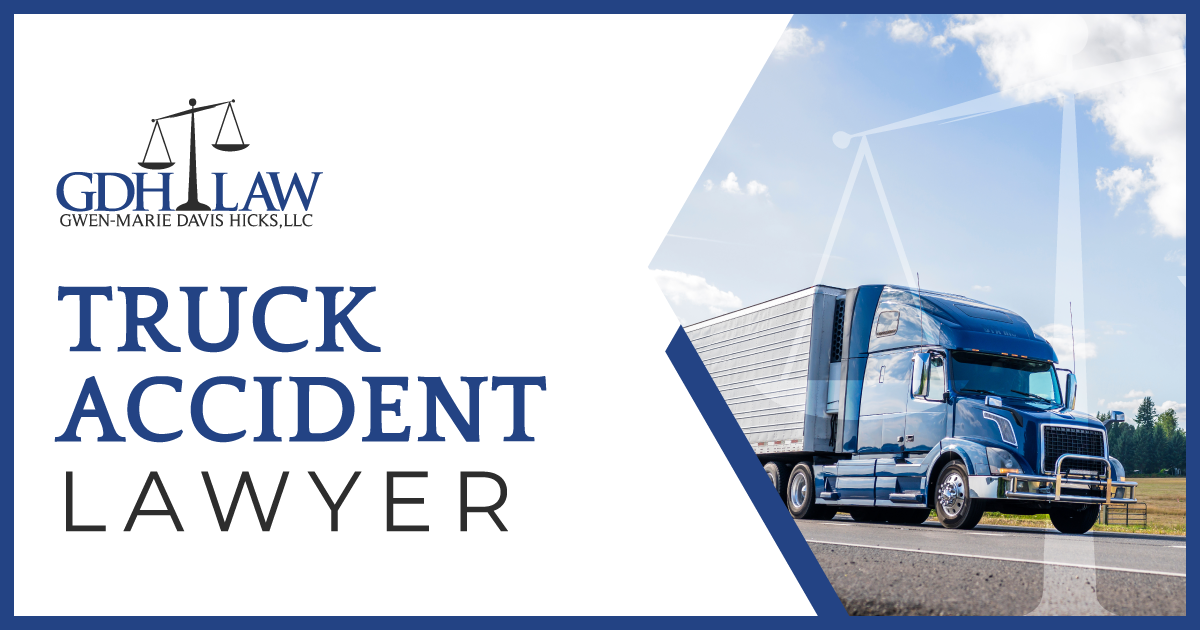
An Adelphi truck accident lawyer can help when a crash involving a commercial truck becomes something far bigger than an ordinary traffic case.
These wrecks are rarely just about one bad lane change or one missed stop. They often involve federal safety rules, corporate paperwork, maintenance histories, driver logs, insurance layers, and multiple companies trying to avoid blame at the same time.
That is what makes truck cases feel so different right away. A normal car crash claim is hard enough. A trucking case can become a commercial dispute almost immediately.
The driver may matter, yes, but so do the trucking company, the company that maintained the vehicle, the company that loaded the trailer, and sometimes even other business entities connected to the trip. It gets complicated fast.
Adelphi sits in the middle of a busy Prince George’s County traffic network.
Congestion, commercial traffic, turns, pedestrians, and local roadway conditions can all shape how a crash occurs and how fault is later argued.
So, when someone looks for an Adelphi truck accident lawyer, the need is usually pretty practical – somebody who understands not just crash law, but trucking law, federal regulations, and the business side of liability.
Navigating Complex Truck Accident Claims in Adelphi
Dealing with a truck accident claim in Adelphi means you’re facing a commercial litigation problem, not just a regular auto insurance claim. That is the short answer. These cases are built around records, policies, company roles, and federal compliance issues in a way that ordinary car wreck cases usually are not.
A tractor-trailer collision claim often begins with a basic question: What happened on the road?
But it does not stay there for long.
Pretty quickly, the case turns into questions about who employed the driver, whose DOT authority was being used, who owned the equipment, who maintained the truck, who loaded the cargo, and whether anyone violated federal safety standards before the collision ever happened.
That’s where things start becoming much more technical.
This is why a commercial vehicle accident attorney will usually look at the business structure behind the truck right away. The name on the door may not tell the whole story.
One company may own the tractor, another may operate under the authority, another may handle maintenance, and another may have loaded the cargo. If you only focus on the driver, you can miss a big part of the liability picture. It is also why these cases move into evidence preservation so quickly. Driver logs, dispatch records, telematics, maintenance files, inspection reports, and cargo documents can all matter.
And if nobody moves fast, some of that evidence can disappear before the case really gets going.
Some of the common features of complex truck claims can include:
- Multiple insurance policies
- Overlapping company roles
- Federal safety compliance questions
- Electronic logging and onboard data
- Maintenance and inspection records
- Cargo and loading issues
Identifying Liable Parties in Maryland Commercial Crashes
The liable parties in a Maryland commercial crash may include the truck driver, the motor carrier, the truck owner, the maintenance company, the cargo loader, and sometimes other businesses tied to the trip.
In truck cases, liability often spreads across more than one defendant. The driver is the obvious starting point, but they are often only one piece of the case, including:
- The trucking company, which is responsible for hiring, supervision, safety compliance, dispatch pressure, and quality of training.
- The maintenance company if they failed to catch worn brakes, bald tires, or other dangerous conditions.
- A cargo company that created a load problem, making the truck unstable or unsafe.
Those aren’t just side details but can be central to your case.
This is where semi-truck crash liability starts looking more like a business case than a simple negligence case. The truck may carry one company’s logo while operating under another company’s authority. The equipment may be leased. The trailer may be loaded by someone other than the carrier. The deeper you dig, the more likely it is that more than one party had a role in creating the danger.
That matters a lot in serious injury and wrongful death truck accident cases. If one responsible company gets overlooked, you may miss insurance coverage, key records, and a big part of the recovery picture. That is not a technical little mistake. It can change the entire value of the case.
Potentially liable parties often include:
- The truck driver
- The motor carrier
- The equipment owner
- The maintenance or repair contractor
- The loading company
- The shipper in some cargo cases
Critical Evidence in Federal Motor Carrier Investigations
The most important evidence in a federal motor carrier investigation is the evidence that shows what the driver and trucking company were doing before the crash, not just what happened at impact.
That’s the key point.
Trucking cases are often won or lost on what evidence the paper trail shows about the operation behind the wreck.
- Hours-of-service records are one obvious example. If a driver had been behind the wheel for too long, falsified logs, or pushed past safe limits, that can reshape the whole liability story.
- Maintenance records matter for the same reason. If brakes, tires, steering components, or lights were neglected, the truck may have been unsafe before the trip even started.
- Cargo evidence can be equally important. A badly loaded or poorly secured trailer can create instability, shift weight at the wrong moment, or contribute to rollovers and loss of control.
- Dispatch messages and company instructions can also matter, especially if they show pressure to meet unrealistic deadlines, ignore rest needs, or keep unsafe equipment moving.
Then there is the local evidence, which still matters too.
Police reports, scene photos, witness statements, roadway conditions, and impact patterns are all part of the case. But in a truck claim, those local facts usually need to be connected to a much larger operational story.
Common Causes of Semi-Truck Collisions on Local Highways
The common causes of semi-truck collisions on local highways include driver fatigue, unsafe speed, bad turns, following too closely, poor maintenance, unsecured cargo, and distracted commercial driving.
These crashes usually grow out of very predictable failures, even when the exact facts vary from case to case.
Driver fatigue is one of the biggest concerns, and for good reason. A tired truck driver in heavy traffic is a serious danger. Maintenance failures are another major cause. A truck with bad brakes, poor tire condition, steering problems, or inspection issues should not be sharing the road with ordinary drivers in the first place.
Cargo problems create another whole category of risk. A shifting load, poor securement, or overloaded trailer can make the truck harder to control and much more dangerous in turns, stops, and evasive maneuvers.
These aren’t random mechanical problems, but often reflect decisions made by companies well before the crash.
Local roadway context matters too. In and around Adelphi, dense traffic, turning lanes, local arterials, buses, and pedestrian activity can all make a commercial truck’s mistakes more dangerous.
A big truck in the wrong place at the wrong time can cause extraordinary damage very fast.
Recovering Maximum Compensation for Serious Trucking Injuries
Recovering maximum compensation for serious trucking injuries means proving not just the severity of the injuries, but the full scope of the commercial wrongdoing behind the crash.
That is the real strategy. Trucking cases are often worth more than ordinary car cases because the injuries are worse, the losses are bigger, and the liability picture often reaches deeper into company conduct.
That does not mean the money comes easily. Bigger insurance policies usually mean a harder defense, not a softer one. The trucking company and its insurers often fight aggressively on fault, causation, damages, and any suggestion that the injured person may share responsibility.
In Maryland, that matters even more because contributory negligence can be such a harsh defense.
This is why damages and liability can’t be separated. A case with catastrophic injuries but weak trucking-rule proof may settle lower than it should. A case with strong FMCSA safety violations but poorly documented long-term harm can do the same. Maximum recovery usually comes from building both sides together, the harm and the misconduct.
Serious trucking injuries also tend to create losses that go far beyond the first wave of medical bills. Surgery, rehab, future care, permanent work limits, pain, and family disruption all become part of the case. In fatal cases, the stakes are even higher.
A wrongful death truck accident claim is never just about an isolated traffic error. It is often about a systemic failure that costs a life.
The most common categories of compensation include:
- Emergency and hospital care
- Surgeries and rehabilitation
- Future medical treatment and care
- Lost wages and reduced earning capacity
- Pain and suffering
- Permanent impairment
- Wrongful death damages in fatal cases
Why Local Legal Representation Matters for Your Case
Local legal representation matters because trucking cases are already complicated, and local roadway knowledge and familiarity with local litigation can make that complexity easier to manage. That is the real advantage.
A lawyer dealing with these cases needs more than general injury experience. They need trucking experience and local context.
An 18-wheeler accident lawyer in Prince George’s County is more likely to understand the traffic conditions around Adelphi, the roadway patterns, and how local crash facts interact with larger federal-regulation issues. That doesn’t replace the need for strong trucking-law knowledge, but it does help your case get built in a more grounded way.
There is also something to be said for familiarity with how local investigations, insurers, and courts tend to approach serious injury cases. Trucking defendants usually come in with structure, resources, and a plan.
Having counsel who already understands the local terrain helps level that out.
FAQ Section
How long do I have to file a truck accident claim in Maryland?
In Maryland, the statute of limitations for most personal injury claims, including truck accidents, is three years from the date of the incident. However, because evidence like logbooks and black box data can be lost or destroyed quickly, it is vital to consult a lawyer as soon as possible to preserve your rights.
Who is responsible if a truck driver’s fatigue caused my accident?
While the driver is directly responsible, the trucking company may also be held liable for violating federal hours-of-service regulations. If the company encouraged or ignored these violations to meet their delivery deadlines, it can be sued for corporate negligence.
How is a truck accident case different from a car accident case?
Truck accidents are very different from car accident cases as they involve complex federal regulations, significantly larger insurance policies, and multiple potentially liable parties, such as the manufacturer or cargo loader. The physical evidence, such as the truck’s ‘black box’ and driver logs, requires specialized legal knowledge to interpret and use effectively in court.
GDH Law Advocates for Truck Accident Victims
Our Adelphi truck accident lawyers handle much more than a crash claim. They handle a commercial case shaped by federal regulations, corporate records, and multi-party liability.
These wrecks are rarely just about one driver making one mistake. They’re often about a chain of failures involving the driver, the carrier, the maintenance side, and sometimes a cargo company as well.
If you are dealing with a tractor-trailer collision claim, looking for a commercial vehicle accident attorney, or trying to understand semi-truck crash liability in Adelphi or Prince George’s County, the big things to remember are:
Preserve all records. Identify every responsible party. Build your case around Maryland trucking regulations, FMCSA safety violations, and the actual commercial decisions that made the wreck possible.
At GDH Law, we understand that’s where the real case gets won.
Contact us today to learn how we can help.