


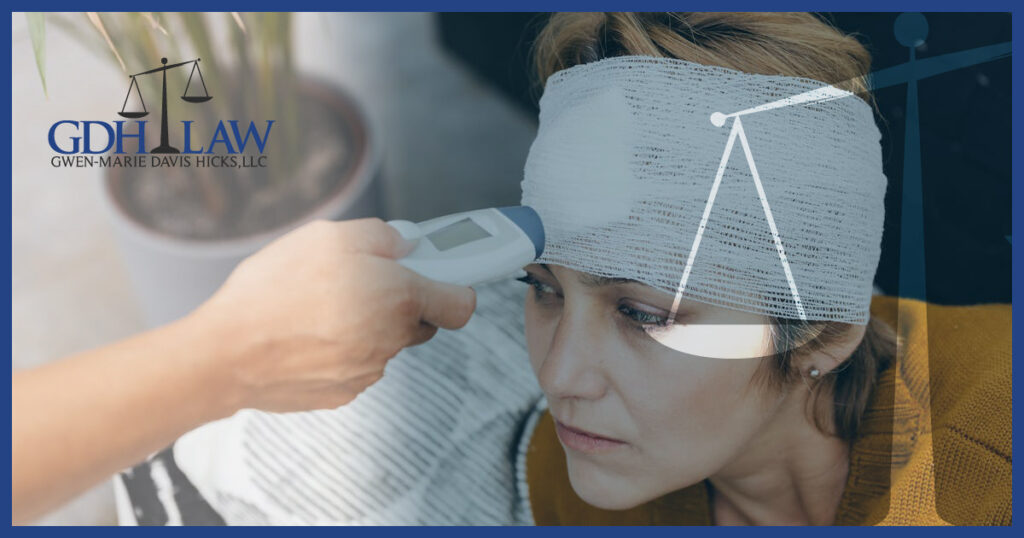
Helmets have become an accepted safety precaution for bike riders, regardless of their age. We all know that tumbling off a bike onto a hard road is the fastest way to sustain a traumatic brain injury. Of course, you can also suffer a brain injury from slipping in your bathroom or getting involved in a car accident. Unfortunately, we don’t wear helmets when we shower or drive, but accidents can happen anywhere, at any time.
According to the Brain Injury Association, there are 2.9 million traumatic brain injury (TBI) related emergency department visits each year in the U.S. alone. These are the types of injuries that can be extremely debilitating and costly. Mounting medical bills and the need for ongoing therapy compound the stress of recovery. Accidents happen, but when someone else’s negligence causes those accidents, you should not suffer any financial losses.
If you’ve suffered a TBI due to someone else’s negligence, your best option would be to speak with a Lanham traumatic brain injury lawyer at GDH Law. We have helped many clients get the compensation they are due to help cover medical expenses and lost wages. If the possibility exists for a remedy, we can discuss the options.
You could suffer a traumatic brain injury from any type of car accident, even a minor fender bender. The symptoms of a traumatic brain injury aren’t always as obvious as a bone fracture or sprain. The following are some of the common signs of a traumatic brain injury you could experience after a car accident.
Persistent Headaches
It is very common to experience a headache after being involved in a car crash. You should become concerned if the headaches are persistent or grow in intensity. If you experience a throbbing, persistent pain that over-the-counter meds can’t help with, it could be a sign of a concussion, brain bleed, or a buildup of intracranial pressure.
Dizziness
If you suddenly find yourself tripping, losing your balance, or feeling like the room is spinning, it could be a sign that your brain is struggling with balance and coordination. That is a classic symptom of a TBI.
Brain Fog
Everyone experiences the occasional bout of brain fog. It’s that sense of forgetting why you came into a room or where you put something. If that starts to happen more frequently after a car accident, or you start to feel more mentally sluggish, it could be another sign of a traumatic brain injury.
Sudden Sensitivity to Light and Noise
If those same everyday sights and sounds you’re used to suddenly feel overwhelming, it could indicate that your brain is working overtime to process sensory information. That is a common post-concussion symptom. Watch out if bright lights feel painful or loud noises become unbearable.
Mood Swings
A TBI doesn’t just manifest in physical symptoms. There are also emotional signs, such as feeling irritable, anxious, or just out of sorts. Those could also indicate that a developing brain injury is triggering a shift in your moods.
Sleep Problems
A TBI can significantly disrupt your sleep cycle. It could make it harder to fall asleep or impossible to stay awake. You could recognize this if you’re sleeping too much or not enough.
Recurring Nausea
If you experience recurring nausea, it could be another sign of your brain swelling. This can also happen if you move your head and suddenly experience nausea.
What Should You Do If You Suspect You Have a Brain Injury?
If you experience any of the above symptoms, you must see your doctor or head to an emergency room ASAP. The priority is to find out what is going on and to get the proper medical diagnosis and treatment.
It will also help to set up a consultation with GDH Law. Once you have a complete understanding of what you’re dealing with, our brain injury attorneys can provide you with the guidance and information you need to help you decide what your next move should be. Call to set up your consultation today.